Imagine walking through a historic neighborhood, admiring the timeless beauty of the architecture. The elegant masonry work catches your eye, each brick and stone telling a story of the past. Even the sturdiest masonry can experience wear and tear, losing its former glory. That’s where the art of masonry repair comes into play, offering a chance to restore the beauty and integrity of these magnificent structures. In this article, we will explore the importance of austin masonry repair, various techniques, materials, and the significance of hiring a professional for the job.
Importance of Masonry Repair
Masonry structures are not only aesthetically pleasing but also vital for the structural stability of buildings. Exposure to the elements, environmental factors, and general aging can lead to damage such as cracks, spalling, or displacement. Ignoring these issues can result in more significant damage and compromise the safety of the structure. Masonry repair not only preserves the visual appeal of the building but also ensures its structural integrity and longevity.
Common Masonry Issues and Damage
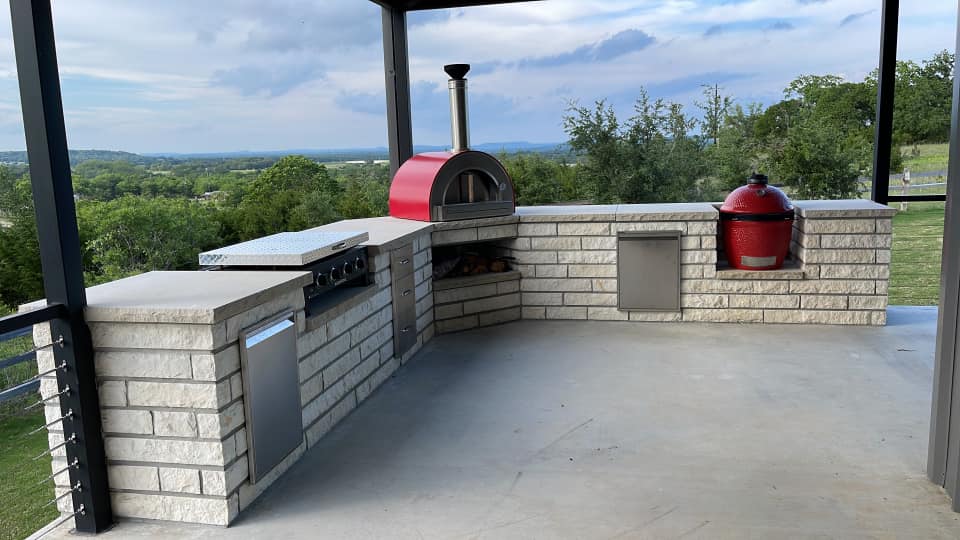
Before delving into the repair process, it’s crucial to identify common masonry issues and damage. These can include mortar deterioration, efflorescence, water infiltration, settlement cracks, and weathering. Each problem requires careful assessment and a tailored repair approach. By understanding the specific issues, you can address them effectively and prevent further damage.
Assessing the Condition of Masonry
When undertaking a masonry repair project, it is essential to assess the condition of the masonry thoroughly. This assessment helps determine the extent of the damage and guides the repair process. Professional masons often use tools such as masonry probes, moisture meters, and visual inspections to evaluate the structural integrity of the masonry.
Tools and Equipment for Masonry Repair
To execute successful masonry repair, it is crucial to have the right tools and equipment. These may include chisels, trowels, jointers, masonry saws, grinders, and safety gear. Each tool serves a specific purpose and ensures that the repair work is done efficiently and accurately.
Preparing for Masonry Repair
Before beginning any repair work, proper preparation is key. This involves cleaning the area, removing loose or damaged material, and protecting adjacent surfaces. It may be necessary to establish a safe working environment, especially when working at heights or with heavy materials.
Types of Masonry Repair Techniques
Masonry repair encompasses various techniques, each tailored to address specific issues. Let’s explore some of the most commonly used techniques.
Pointing and Repointing
Pointing and repointing involves repairing or replacing the mortar joints between bricks or stones. This technique not only improves the aesthetics but also reinforces the structural stability of the masonry stucco repair austin.
Brick Replacement
When bricks are severely damaged or deteriorated, replacing them becomes necessary. Skilled masons carefully remove the damaged bricks and replace them with new ones, ensuring seamless integration with the existing masonry.
Stone Repair
For buildings with stone masonry, repairing damaged or deteriorated stones requires precision and expertise. Masons use techniques such as Dutchman repairs or stone patching to restore the beauty and integrity of the structure.
Cleaning and Restoration
Masonry can accumulate dirt, stains, or coatings that detract from its original appearance. Professional cleaning techniques, such as pressure washing or chemical treatments, can restore the masonry’s natural beauty while preserving its structural integrity.
Sealing and Waterproofing
To protect the masonry from water infiltration and freeze-thaw damage, applying sealants and waterproofing materials is crucial. These treatments create a barrier against moisture, preventing further deterioration.
Choosing the Right Materials
The success of any masonry repair project depends on using appropriate materials. Factors such as the type of masonry, local climate, and historical significance of the structure must be considered. High-quality mortars, bricks, stones, and sealants ensure long-lasting results and preserve the authenticity of the building.
Hiring a Professional Masonry Repair
While some minor repairs can be tackled by enthusiastic homeowners, it is often wise to hire a professional masonry repair specialist. These experts possess the necessary skills, experience, and knowledge to assess the damage accurately and perform the repairs to the highest standards. By entrusting your masonry repair to professionals, you can ensure the longevity and beauty of the structure.
Maintaining Restored Masonry
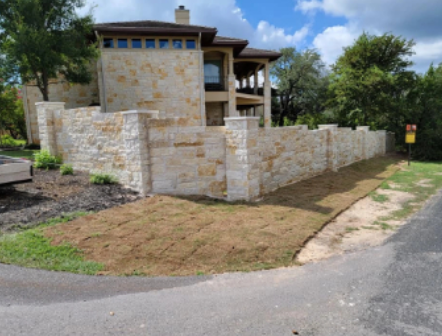
Once the masonry repair is complete, proper maintenance is crucial to preserve its restored condition. Regular inspections, cleaning, and addressing minor issues promptly can prevent more significant problems in the future. Consulting with a professional can guide maintenance schedules and techniques specific to your masonry austin.
The art of masonry repair not only brings back the beauty and charm of historic buildings but also ensures their longevity. By addressing common masonry issues and employing suitable repair techniques, we can restore the structural integrity and aesthetic appeal of these architectural treasures. Whether it’s pointing and repointing, brick replacement, stone repair, or cleaning and restoration, the expertise of professional masonry repair specialists is indispensable. By investing in the preservation of our masonry heritage, we can continue to admire and enjoy these remarkable structures for generations to come.
FAQs
Can I repair the masonry myself, or should I hire a professional?
Repairing masonry requires expertise and knowledge, especially when dealing with historic structures or significant damage. It is recommended to hire a professional masonry repair specialist to ensure the best results.
How often should I inspect my masonry for potential issues?
Regular inspections are essential to catch any signs of damage early on. It is advisable to inspect your masonry at least once a year, or after extreme weather events.
Are there any specific products I should use for masonry repair?
Using high-quality materials specifically designed for masonry repair is crucial. Consult with professionals or reputable suppliers to ensure you choose the right products for your project.
Can masonry repair help with energy efficiency in my home?
Yes, proper masonry repair, including sealing and waterproofing, can enhance energy efficiency by preventing air leakage and reducing heat transfer through the walls.
How long does masonry repair typically last?
The durability of masonry repair depends on various factors, such as the quality of materials used, the extent of the damage, and maintenance practices. With proper care and maintenance, well-executed masonry repairs can last for decades.